# of Tests
Leishmaniasis
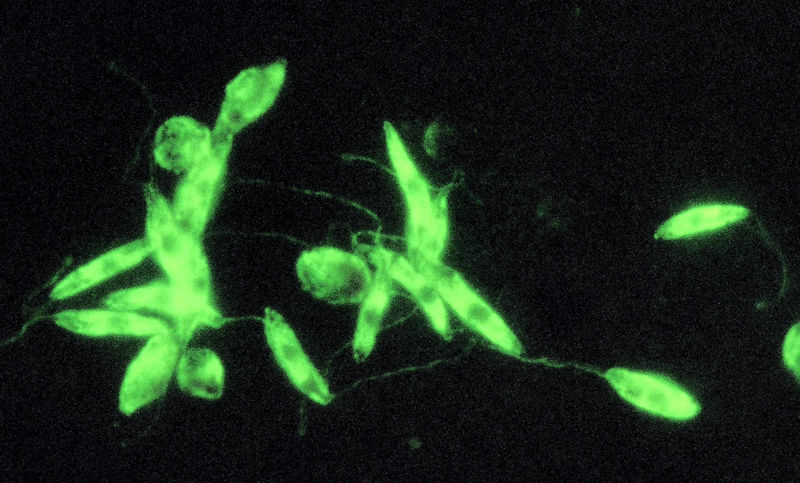
Leishmaniasis is a vector-borne disease that is transmitted by sandflies and caused by obligate intracellular protozoa of the genus Leishmania. Human infection is caused by about 21 of 30 species that infect mammals. Leishmaniasis is found about 88 countries. Approximately 350 million people live in these areas. Most of the affected countries are in the tropics and subtropics. For more information on the disease please visit the CDC Website.Cellabs has produced a number of products for Leishmaniasis. They are currently undergoing regulatory review.
PLEASE NOTE THAT THESE PRODUCTS ARE FOR RESEARCH PURPOSES ONLY:
|
Cat No.
|
Kit Name
|
|
Description |
Brochure
|
|
KL1
|
Leishmania Cel
|
50
|
IFA using a polyclonal antibody. Detects all Leishmania protozoa: promastigotes from sand-flies and in culture as well as amastigotes in human biopsy material. | |
|
KL2
|
Visceral Leishmania IgG Celisa
|
96
|
ELISA test using novel antigen from cultivating L. donovani promastigotes in protein-free media. Detects parasite-specific IgG in human serum. | |
|
KL3
|
Cutaneous Leishmania IgG Celisa
|
96
|
ELISA test using novel antigen from cultivating L. mexicana in protein-free media. Detects parasite-specific IgG in human serum. | |
|
KL4
|
Canine Leishmania Celisa
|
96
|
ELISA test for the detection of parasite specfic IgG in canine serum. |
Brochure Not Available
|
|
KL5
|
Canine Leishmania Cel
|
50
|
Serological IFA test for the detection of parasite specific IgG from canine serum. |
Brochure Not Available
|
The following are published articles using our Leishmania products:
Canine Leishmania IgG CELISA poster - Presented April 2005, World Leish Congress
Cutaneous Leishmania IgG CELISA poster - Presented April 2005, World Leish 3 Congress
Rajasekariah, GHR et al (2001) Optimisation of an ELISA for the serodiagnosis of visceral leishmaniasis using in vitro derived promastigote antigens. Journal of Immunological Methods. 252: pg 105-119
For more information on these products please contact Hubert Mazure.